poetry like you will always be a theatre
of music and image. not only some play of numbers
in which the first prime is randomly marched
from the stage and shot, but glory for always.
though we never achieve justice, still
let those who commit violence
live lives of nothing evermore
Posted in Poetry | Leave a Comment »
this is the effect of building gothic cathedrals with such high ceilings: so that you would come inside and automatically look up: filled with awe at a marvel of architecture, and remembering god.
Posted in Philosophy | Leave a Comment »
Kant’s idea of morality and god is very simple: if we could somehow remove
all barriers to accomplishing what we feel in our hearts to be loving and noble,
and could know that it is in-deed loving and noble, then we would be what
religions name the divine. The concept of freedom to act nobly carries
the hope, taken to its logical limit for a moment, of a loving and divine
author of her life. In life, how to be and to be, that was the question
that queried he.
Posted in Philosophy, Poetry | 3 Comments »
for me poetry is much more like expressionist than representational, art
and i’m not convinced that words are always the most accurate way to describe experience
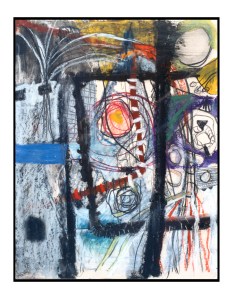
Judith Nilson, “Cold Spring #101” (2003)
Posted in Philosophy, Poetry | Leave a Comment »
imagination can order chaos so i fell
for you because you were meant to be
a guide to myself or so i thought.
brilliant and naive as a student. tough as bark.
actually it was the eyes that had me.
trite i know yet the hackneyed phrase
still speaks the overworn path still leads
and a song you never learned to hate
still soothes over craterous wounds
that other people made on their
way to greatness or what they
supposed was a dream maybe,
even, their way of feeling
casually as warm as i did,
one night in your arms
Posted in Poetry | Leave a Comment »
to what extent have you assigned
your happiness to the world?
Posted in Philosophy, Poetry | Leave a Comment »
hume said that an idea is nothing more than a re-created memory. that we create our ideas every time we think them. that they start in sense perception and fade from there. that knowledge as enduring understanding is an illusion. kant agreed, and added though that just because thought is contingent, does not mean we aren’t aware of useful patterns. the river still flows in navigable runs.
Posted in Philosophy | Leave a Comment »
scalia’s doctrine of textual limitation of judicial discretion is nothing more than an attempt to ensconce his own brand of power. because when he convinces others not to be guided by the supporting documents attendant upon the original creation of a statute, it actually gives him more leeway in the interpretation of that statute. textualism is an intellectual trojan horse. designed to weaken the power of others and amplify his own. it is a very cleverly concealed form of judicial activism, and the oldest trick in the book: appearing to denounce the very doctrine which he secretly supports (for himself alone, of course).
Posted in Philosophy | Leave a Comment »
 metonymy4u